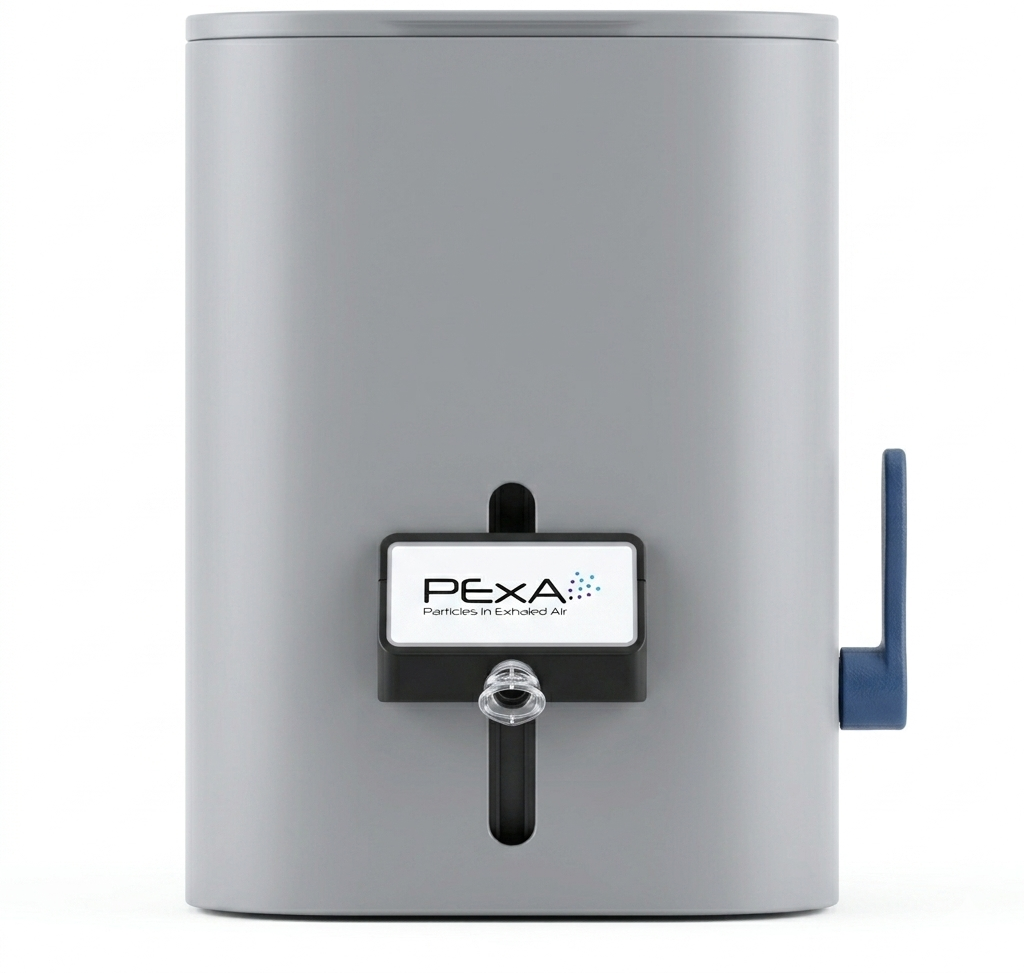
This project focuses on the redesign of PExA, a medical device that non-invasively collects microscopic particles from the small airways to identify biomarkers for respiratory diseases. The goal was to transition this research tool into primary care settings by redesigning the product.
Driven by user and market research, the design optimizes product value, adapts seamlessly to the user, enhances ergonomics, and delivers an intuitive interaction workflow.
Role
Product redesign
Area
Product design
Year
2026
Deliverables
3D Modeling and rendering
Technical drawings
Prototypes and final products
01
requirements.
usability & UX
Patients: Intuitive mouthpiece and visual guidance for unassisted breathing maneuvers.
Operators: Intuitive workflow that simplifies nursing operations.
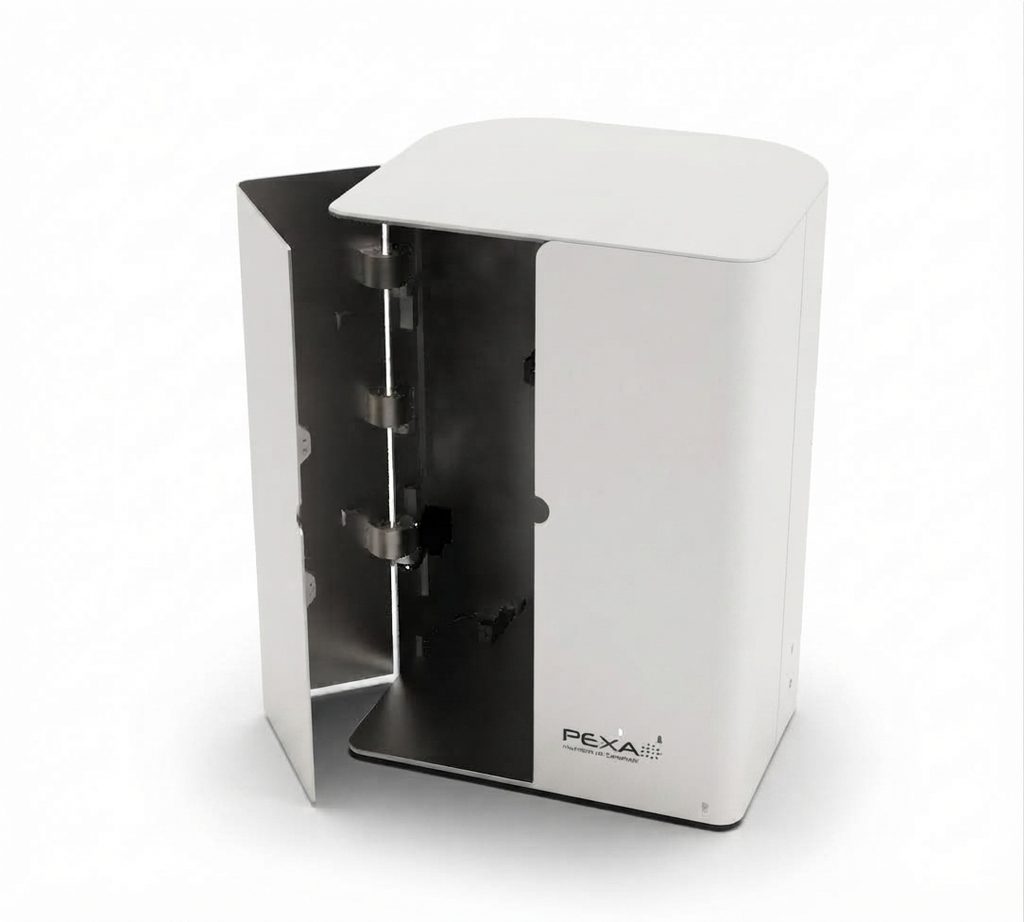
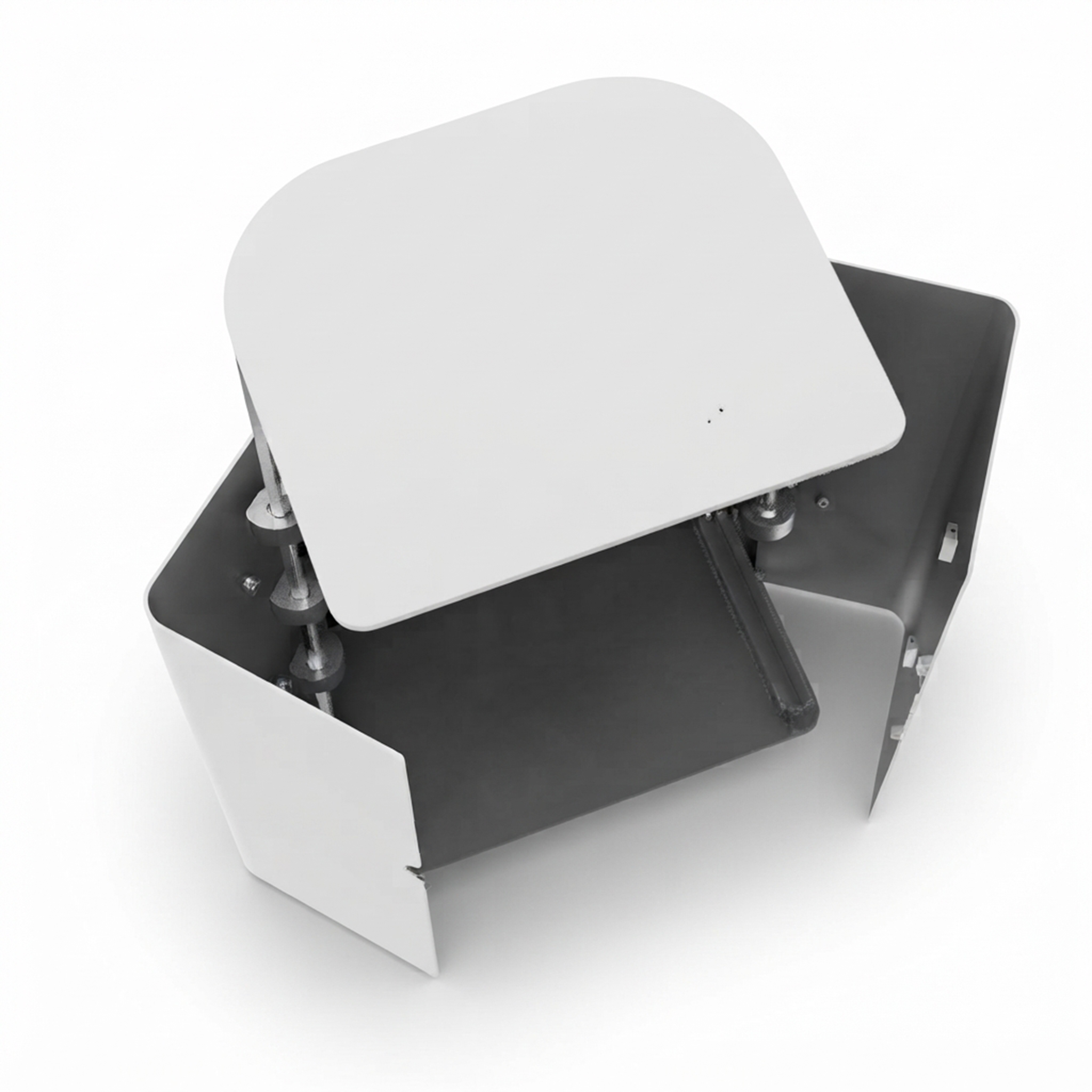
Maintenance: Simplified access to internal components for fast maintenance and cleaning.
technical limits
Volume: Reduce total volume to optimize space.
Height Adjustment: Vertical mouthpiece range for ergonomic patient positioning.
Airflow Control: Single-action, low-force valve operation.
02
ideation.
volume
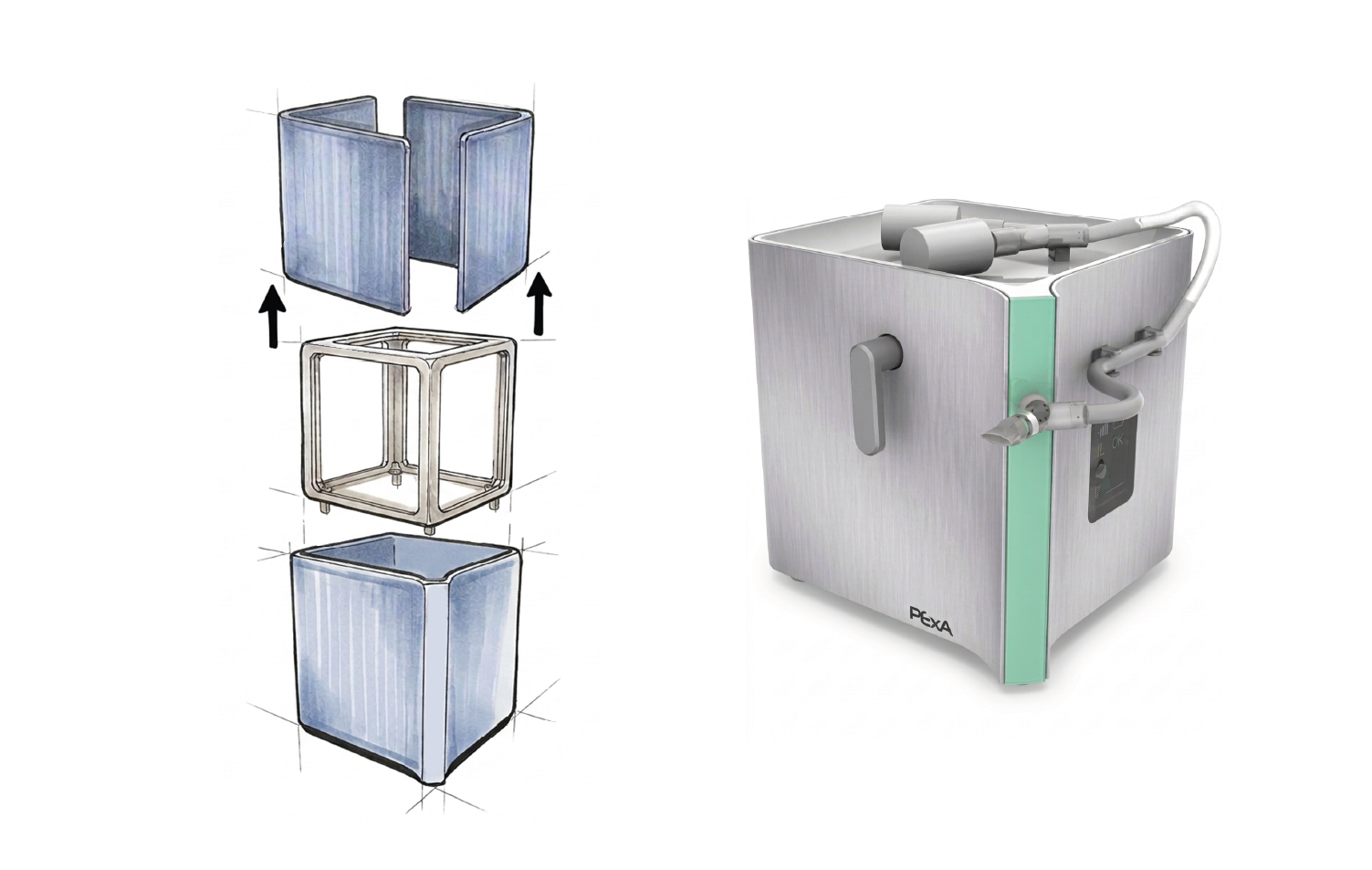
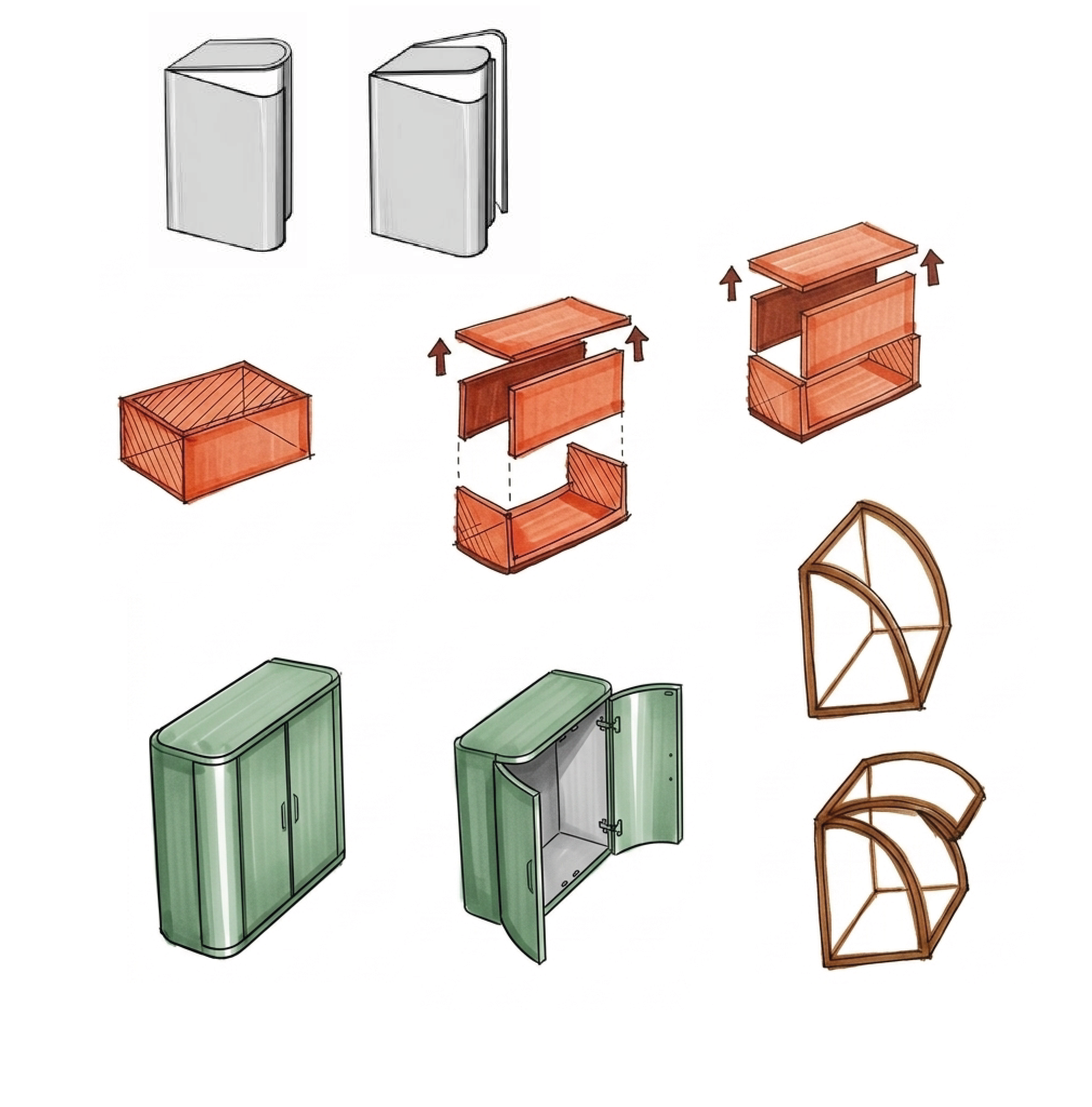
During the early conceptualization phase, multiple spatial volumes and enclosure architectures were explored to determine the optimal balance between a compact product and internal serviceability. The study evaluated various opening mechanisms—including vertical lift-offs, split shells, and hinged double-door systems—to guarantee immediate access to the internal components for cleaning, maintenance, and technical repairs in clinical environments.
valve actuation
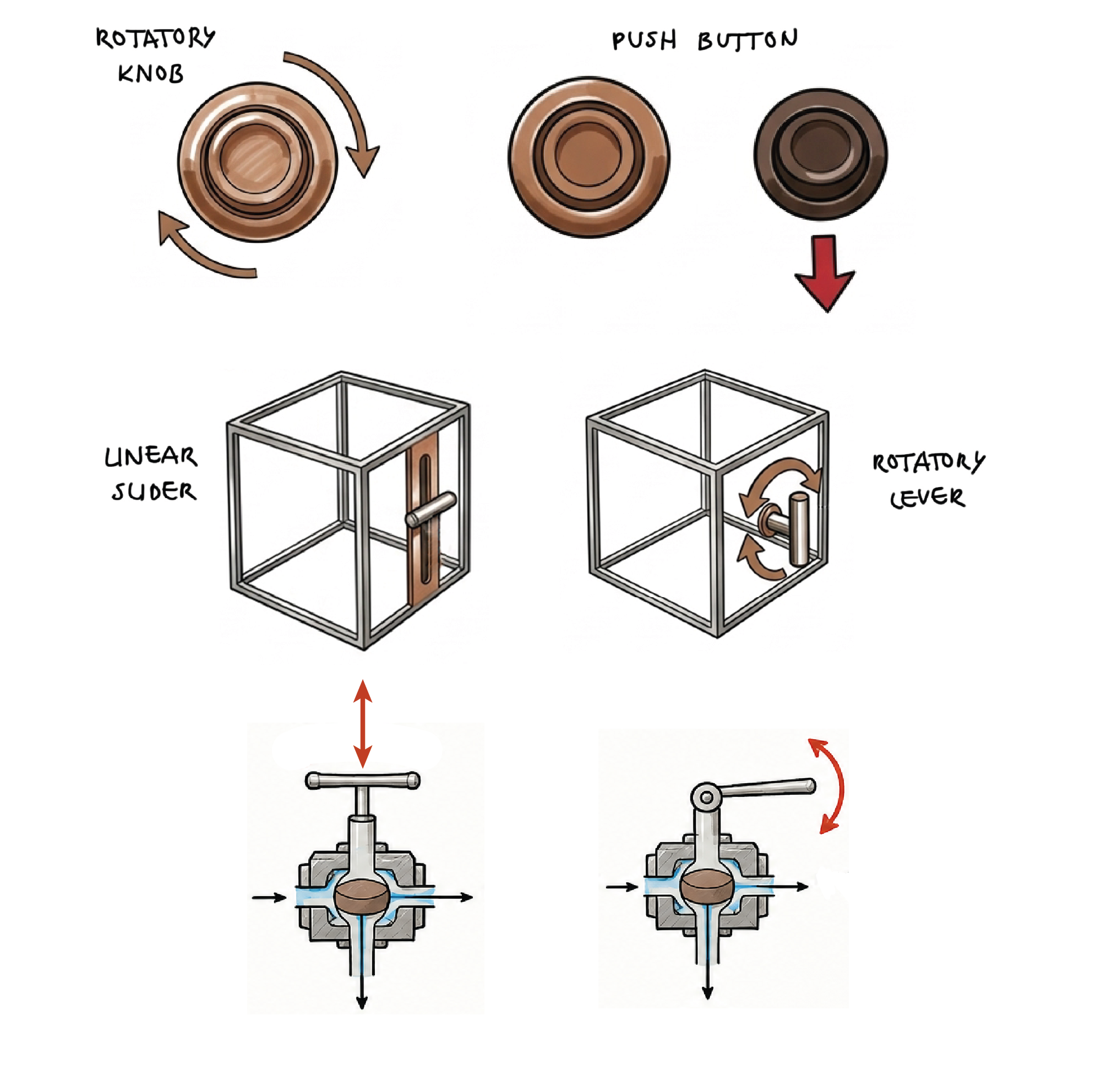
Different mechanical and electromechanical valve concepts were analyzed to identify the most reliable single-action mechanism. The exploration focused on minimizing user effort and ensuring precise airflow control, testing solutions ranging from manual push-lever triggers and rotational cams to motorized setups.
mouthpiece adjustment
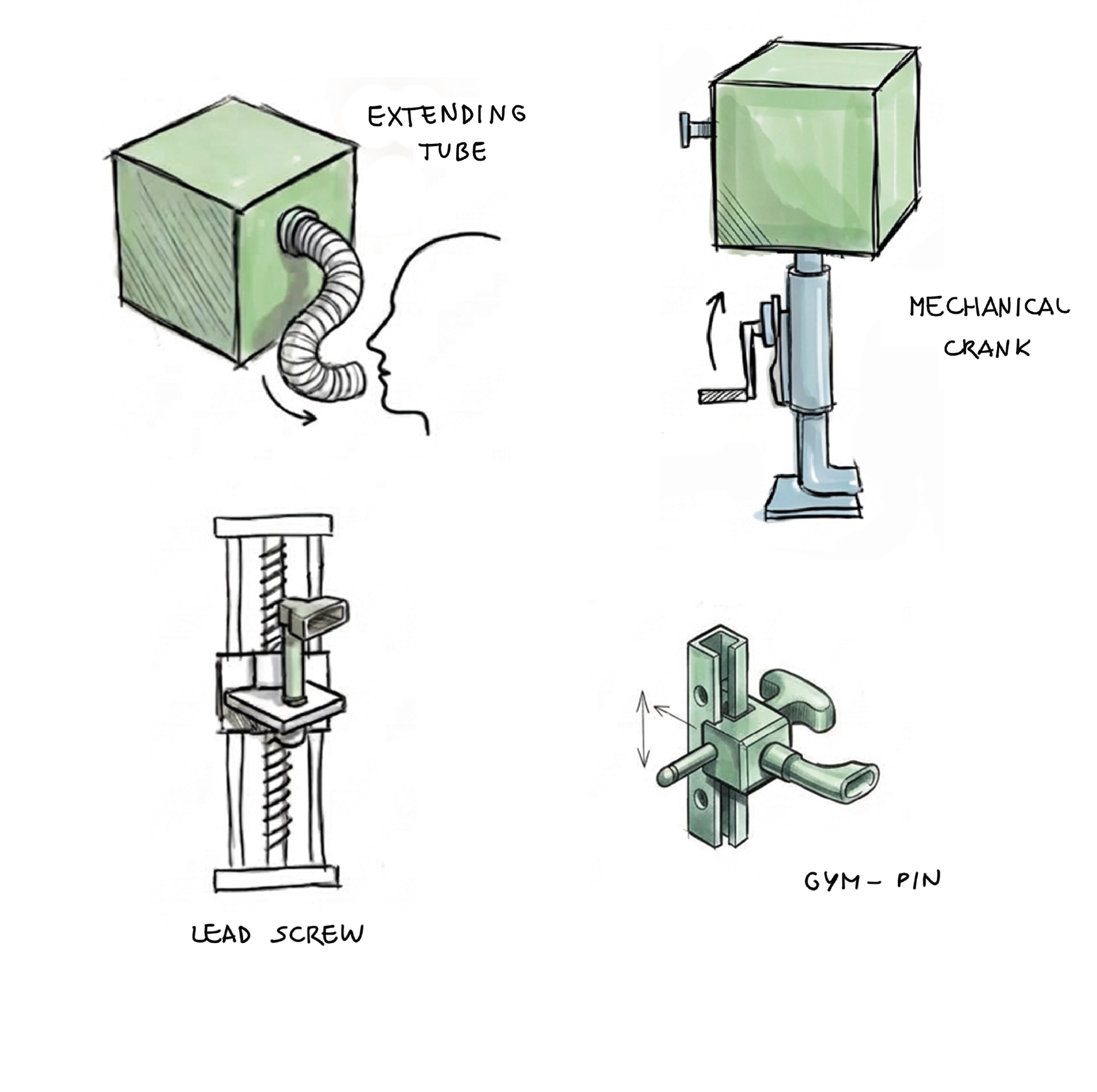
Achieving proper patient positioning required exploring multiple height and angle adjustment mechanisms to accommodate diverse body types effortlessly. Concepts evaluated included manual telescoping columns, scissor-lift structures, and motorized lead-screw drives, aiming to deliver smooth, ergonomic vertical motion that allows patients to maintain a comfortable seating posture throughout the breathing maneuver.
user feedback & guidance
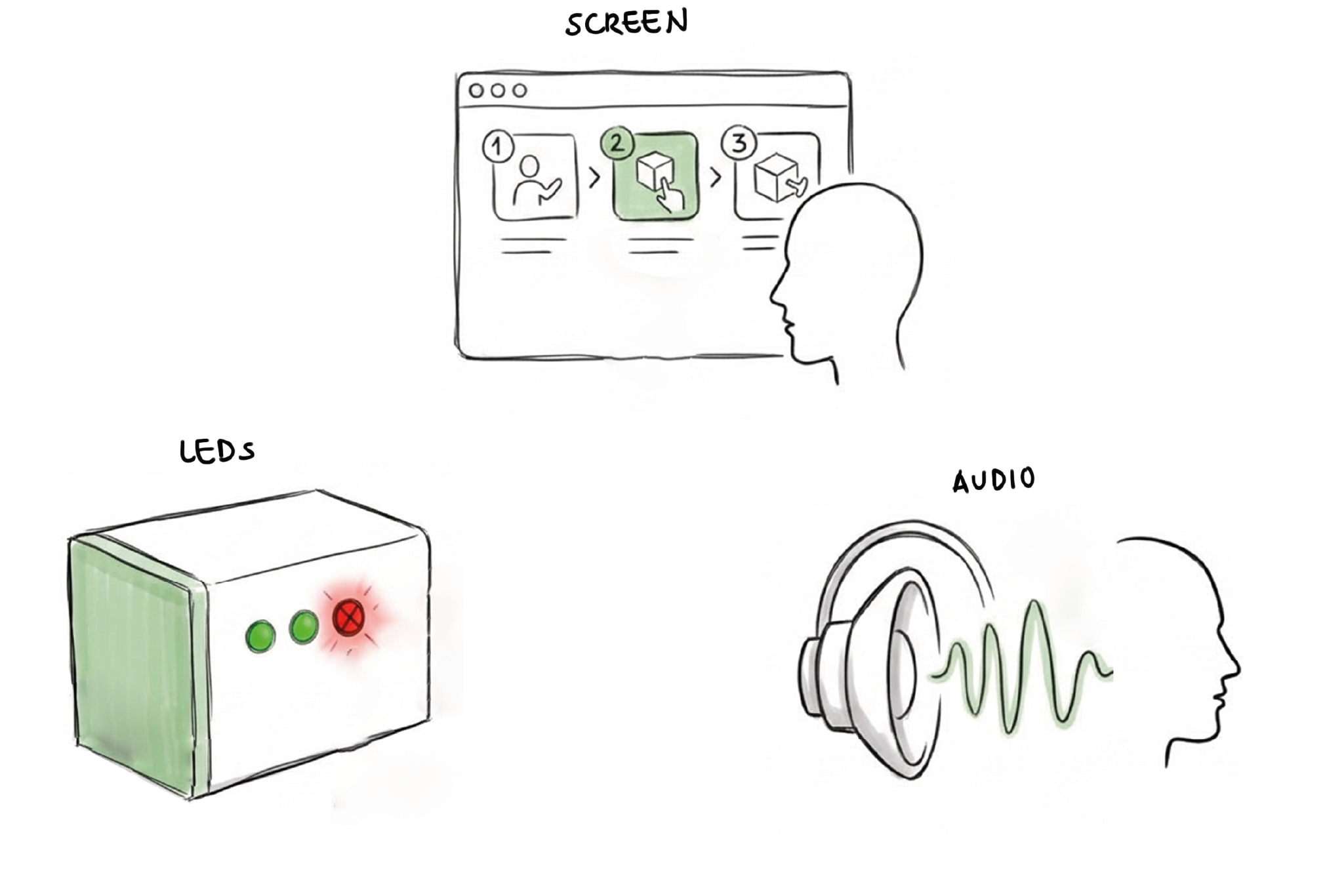
To ensure unassisted compliance during breathing maneuvers, various real-time visual and haptic feedback concepts were developed. The study explored integrated LED indicators, dynamic screen-based progress bars, and directional lights to provide clear, step-by-step guidance for both the patient during inhalation/exhalation cycles and the nurse monitoring the procedure state.
03
concepts.
Ideation
1
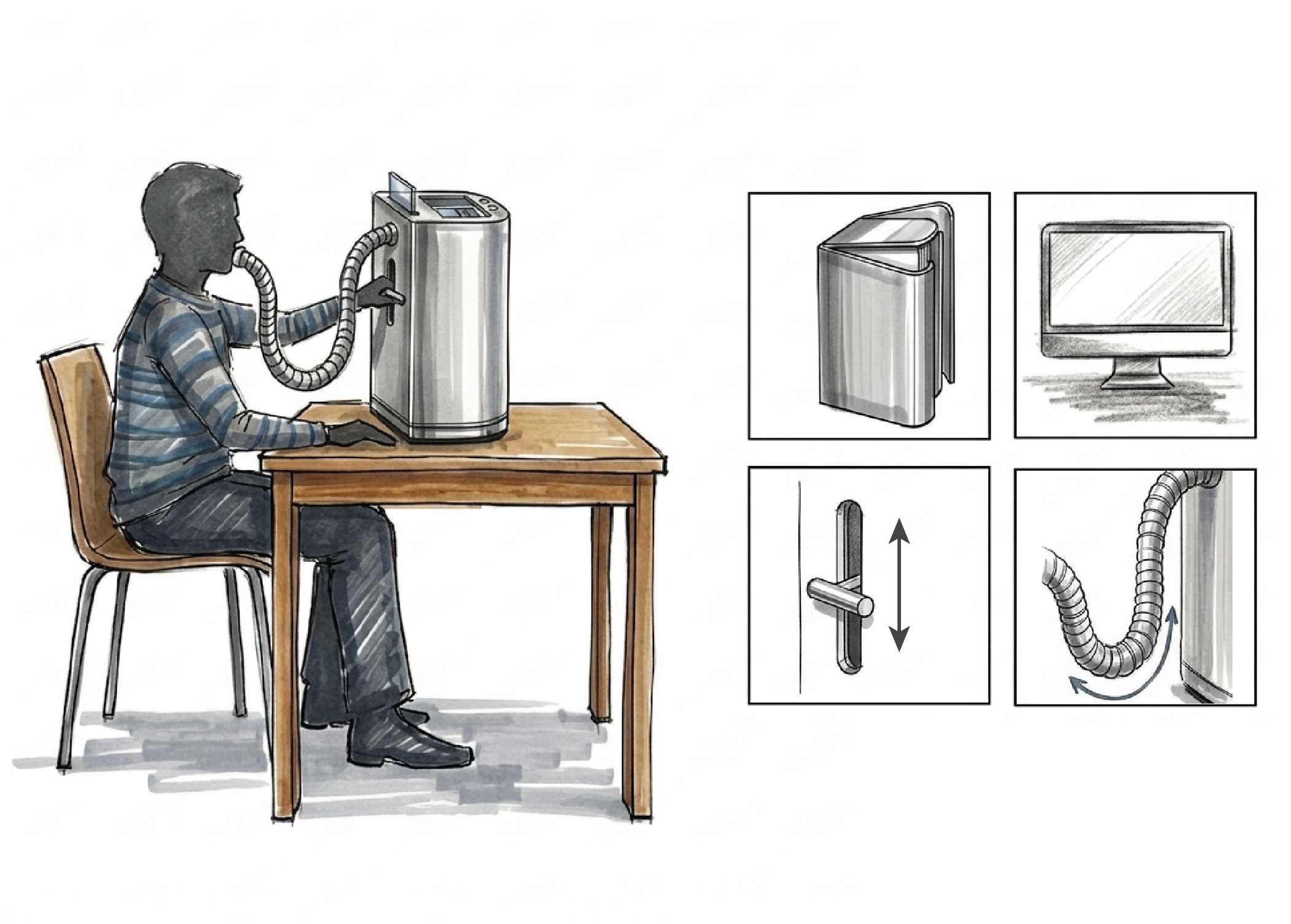
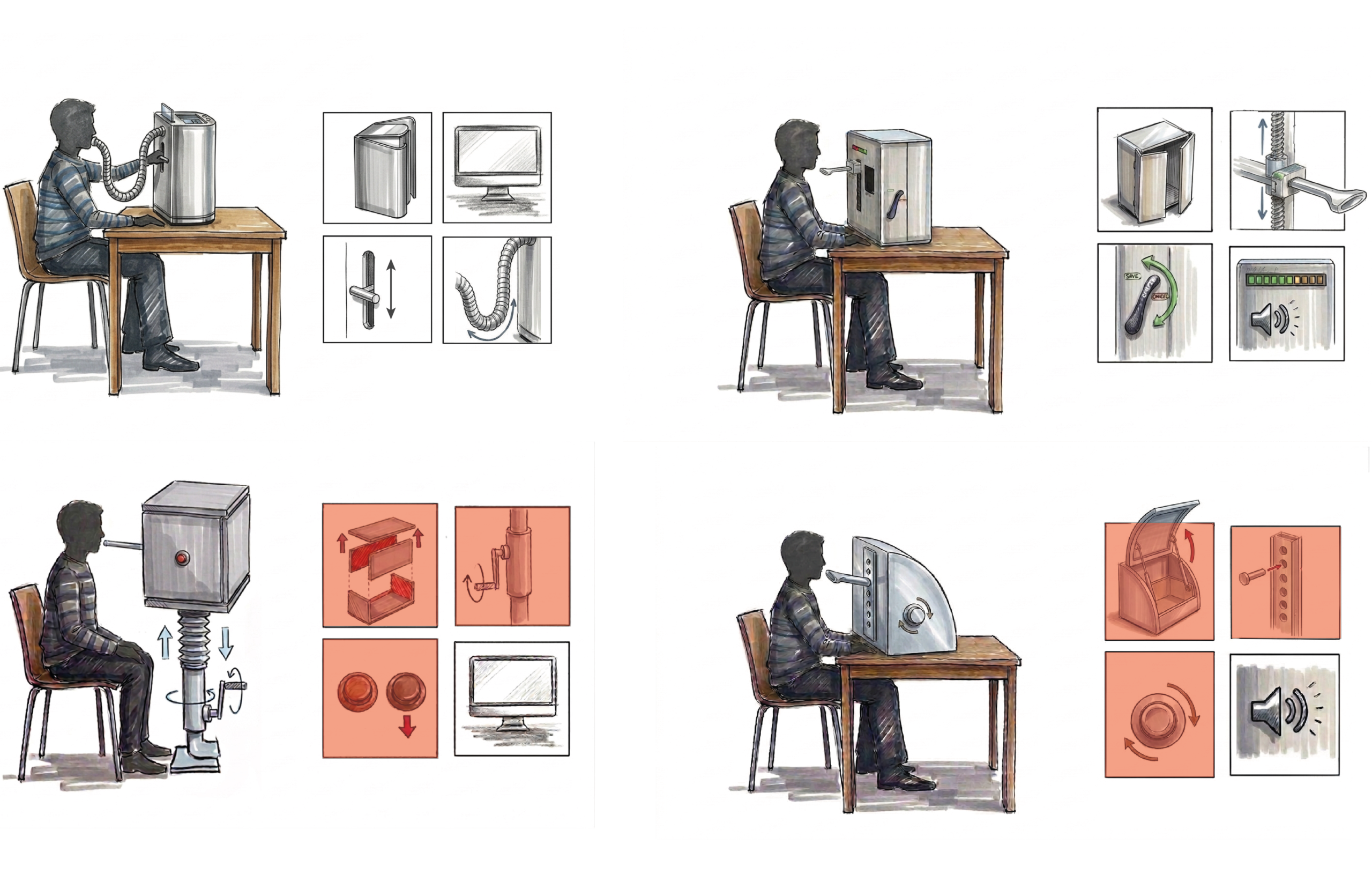
This design features a compact vertical prism with a rounded back to optimize internal space. Smooth hinged rear doors allow instant access to internal components for easy cleaning and maintenance. Airflow is controlled via a front-mounted vertical linear lever, while an extendable flexible tube adjusts dynamically to suit any user position. Positioned directly in the line of sight, an integrated top screen provides clear, step-by-step guidance throughout use.
2
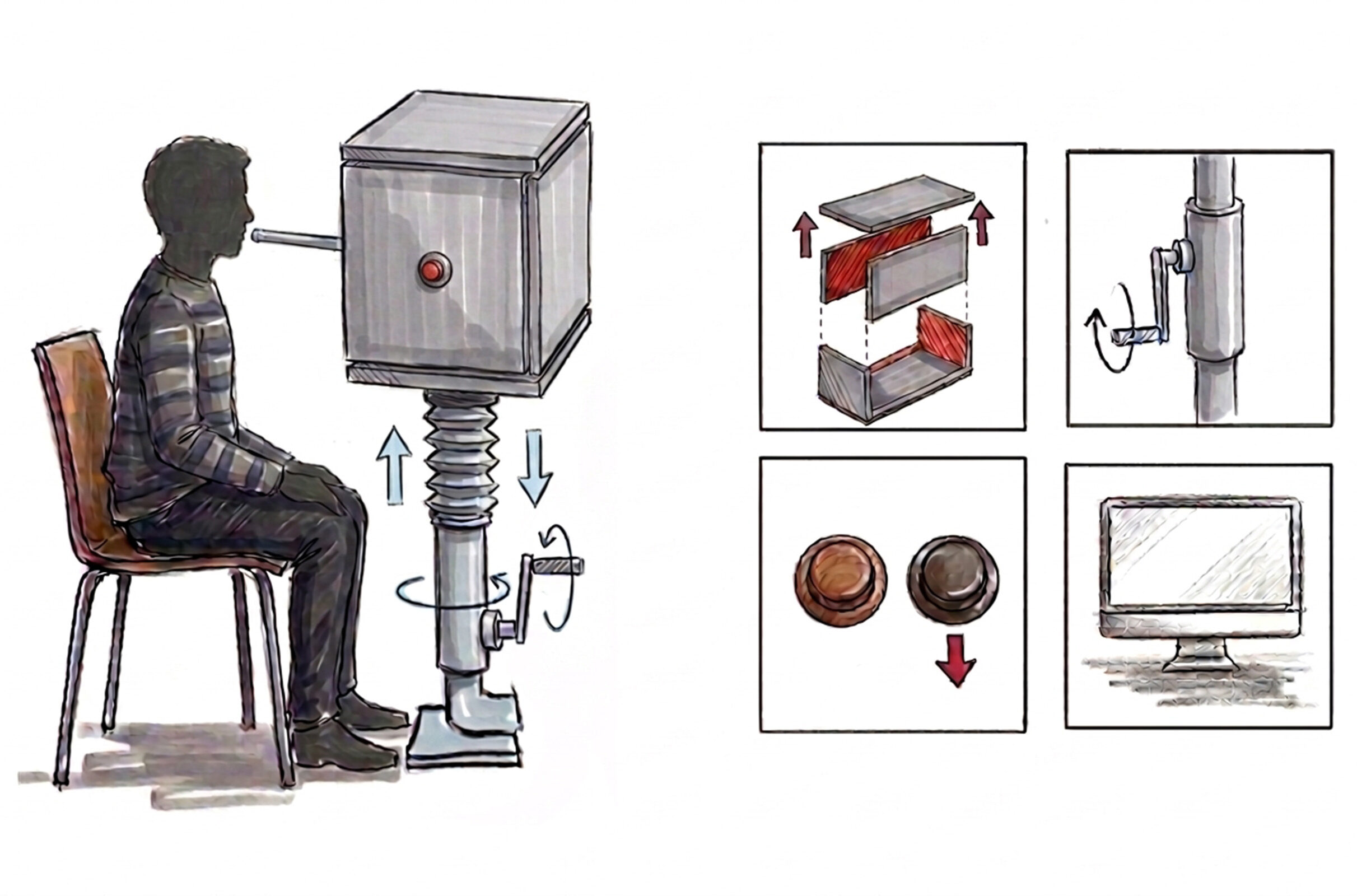
This design features a vertical modular enclosure mounted on a floor-supported pedestal, with sliding removable panels for full internal access. The main body elevation is manually controlled via a hand crank mechanism built into the support column. System interaction is managed through a front-mounted circular push button, while an external display screen provides detailed visual feedback and step-by-step user guidance.
3
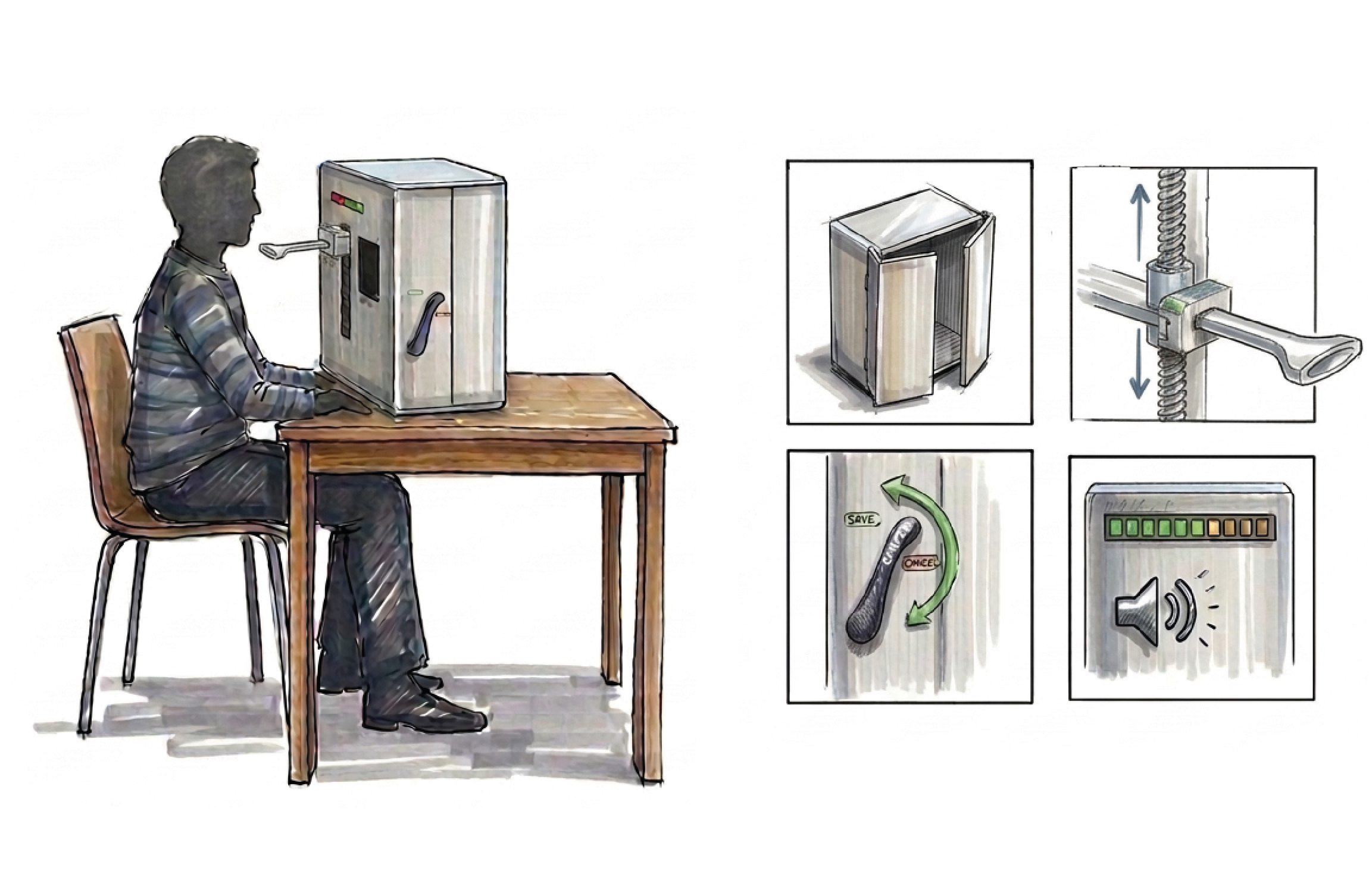
This design features a rectangular vertical prism with partial hinged rear doors that open from the back panel. The main valve is operated via a side-mounted rotary lever, while the mouthpiece height is motorized and driven by a lead screw to allow precise vertical adjustment for the user. Visual progress and operational feedback are provided through a front LED indicator bar accompanied by audio signals.
4
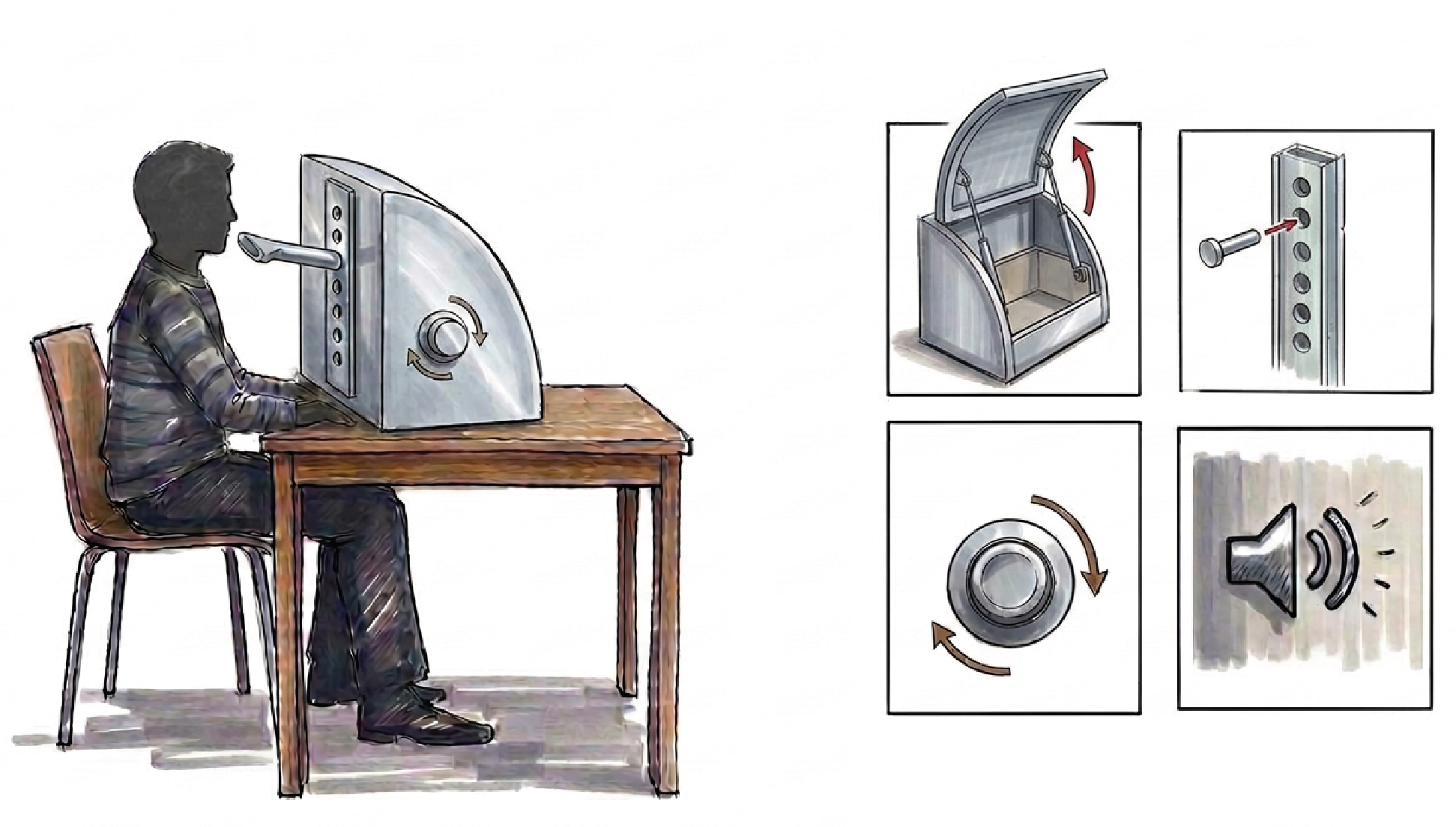
This design features an ergonomic desktop form with a curved profile that opens upwards trunk-style for easy access to internal components. The height of the front-facing mouthpiece is manually adjusted along a central vertical track using a precise gym pin mechanism. Airflow control is operated via a compact side-mounted rotary valve, while clear audio cues provide intuitive, step-by-step guidance without the need for a screen.
selection
Following the generation of the initial concepts, an evaluation framework was implemented utilizing an Elimination Matrix, iterative Pugh Matrices, and a final Kesselring Matrix to objectively filter and rank the designs against core requirements. Through this structured multi-stage process, two top-performing proposals emerged with the highest overall scores: Design 1 and Design 3.
04
development.
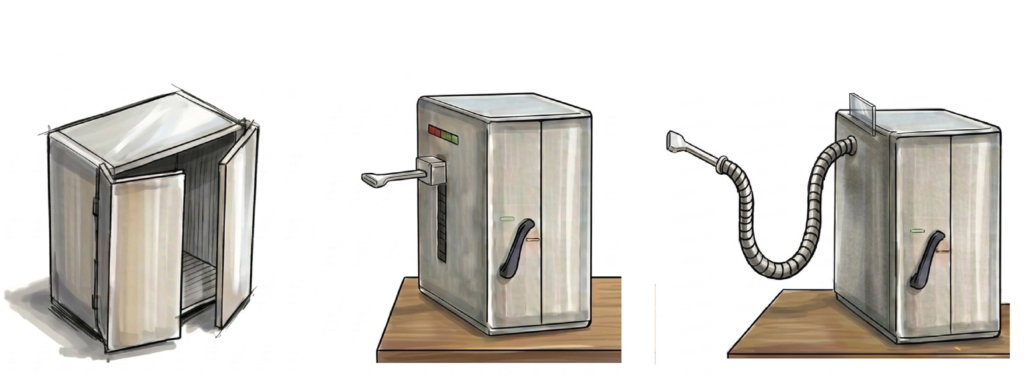
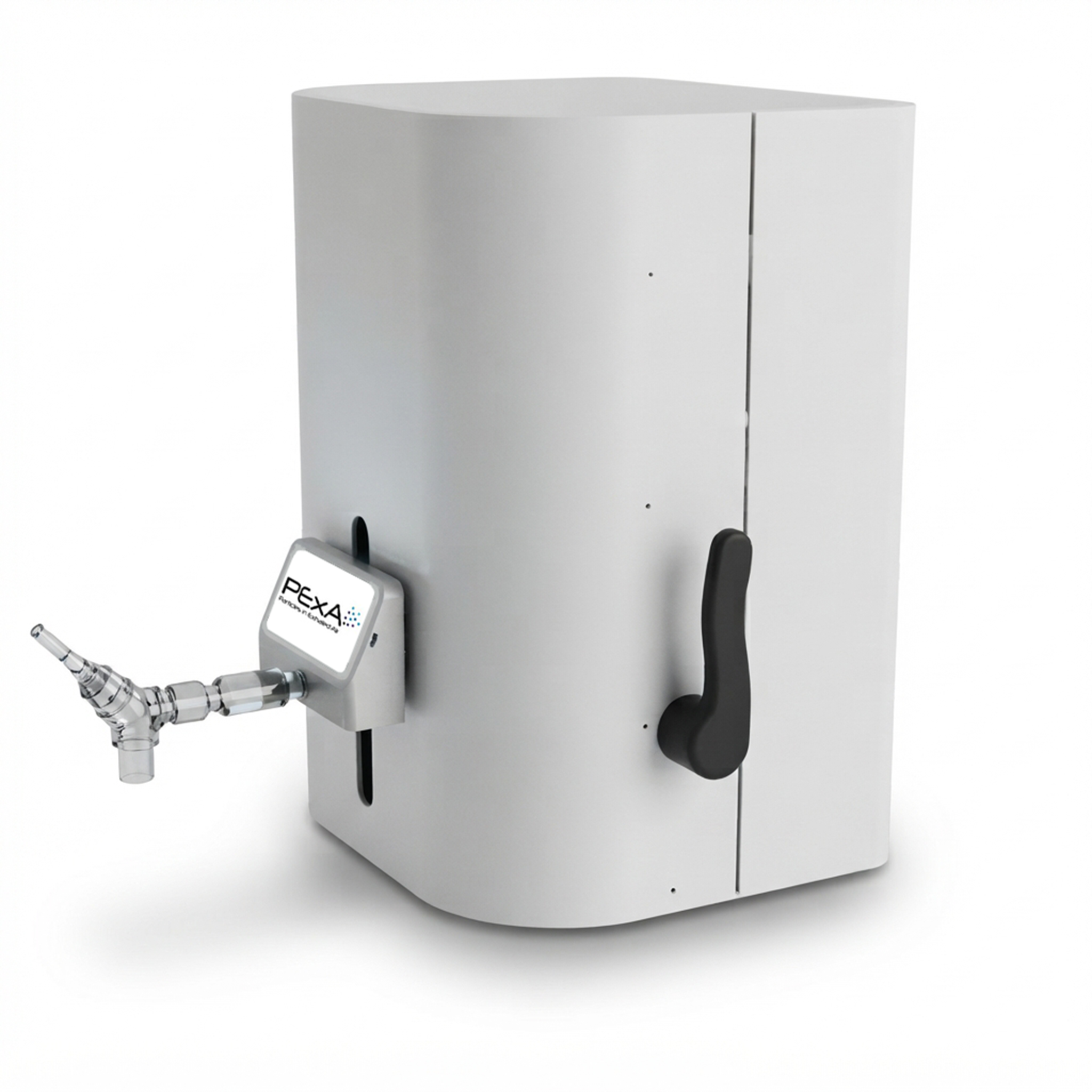
Building upon the two top-performing concepts, the design adopted a hybrid approach that combined the key architectural and functional strengths of both options. Specifically, the mechanical mouthpiece adjustment features diverged between the two: one concept utilized an extendable flexible tube, whereas the other integrated a motorized lead screw mechanism for precise vertical positioning. For the housing enclosure, a rectangular form factor with rounded edges was chosen, featuring front doors that extend only halfway across the side profile rather than opening fully across the entire depth.
extendable tube
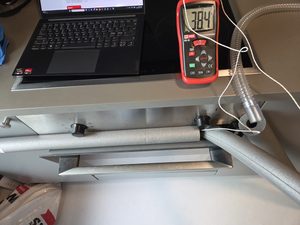
Although the extendable tube offered a simple solution for patient reach, it was discarded due to thermal control issues. Being exposed outside the main housing, it failed to maintain the required constant temperature, and various insulation materials proved insufficient to prevent heat loss.

lead screw
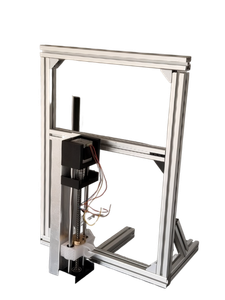
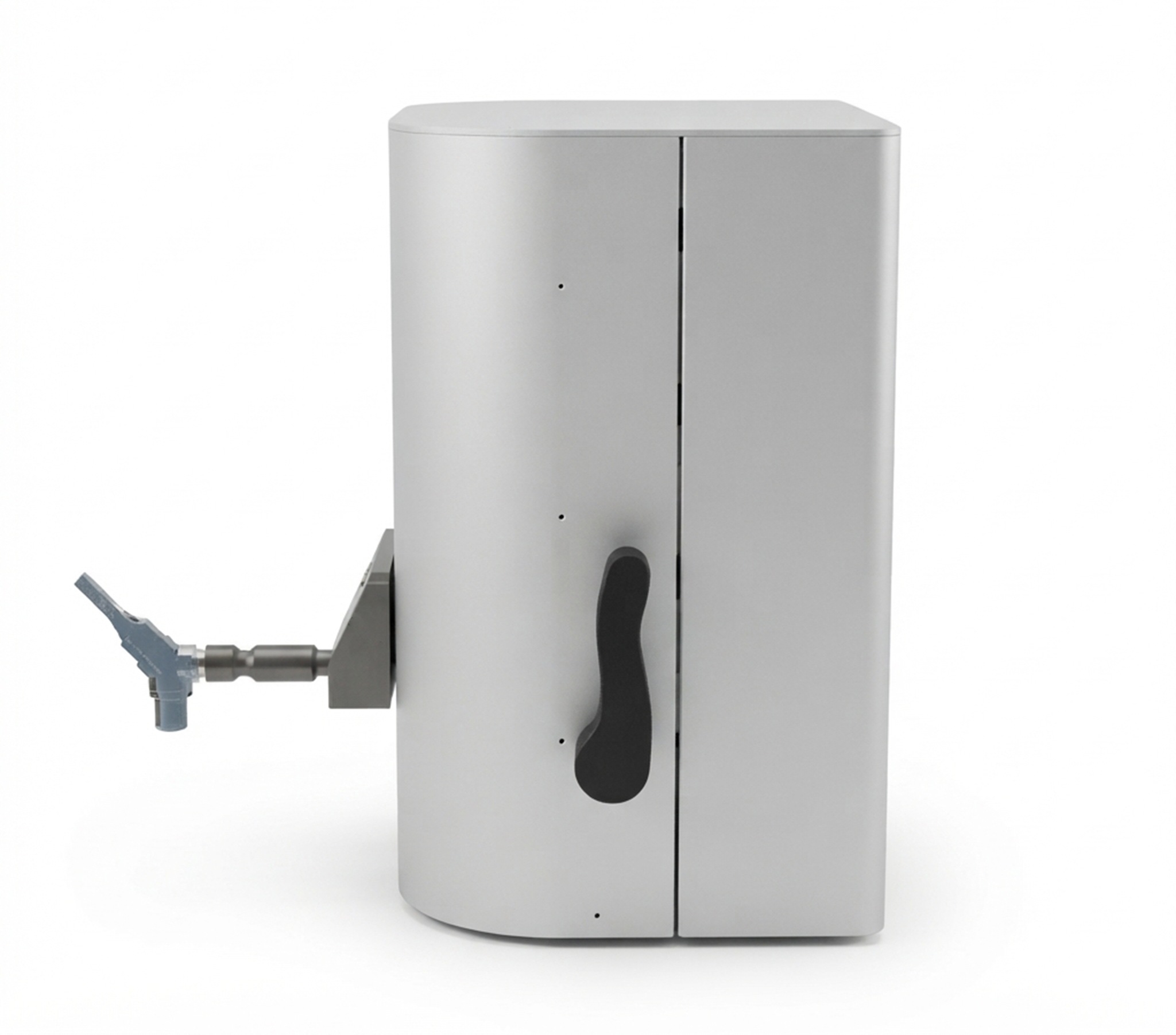
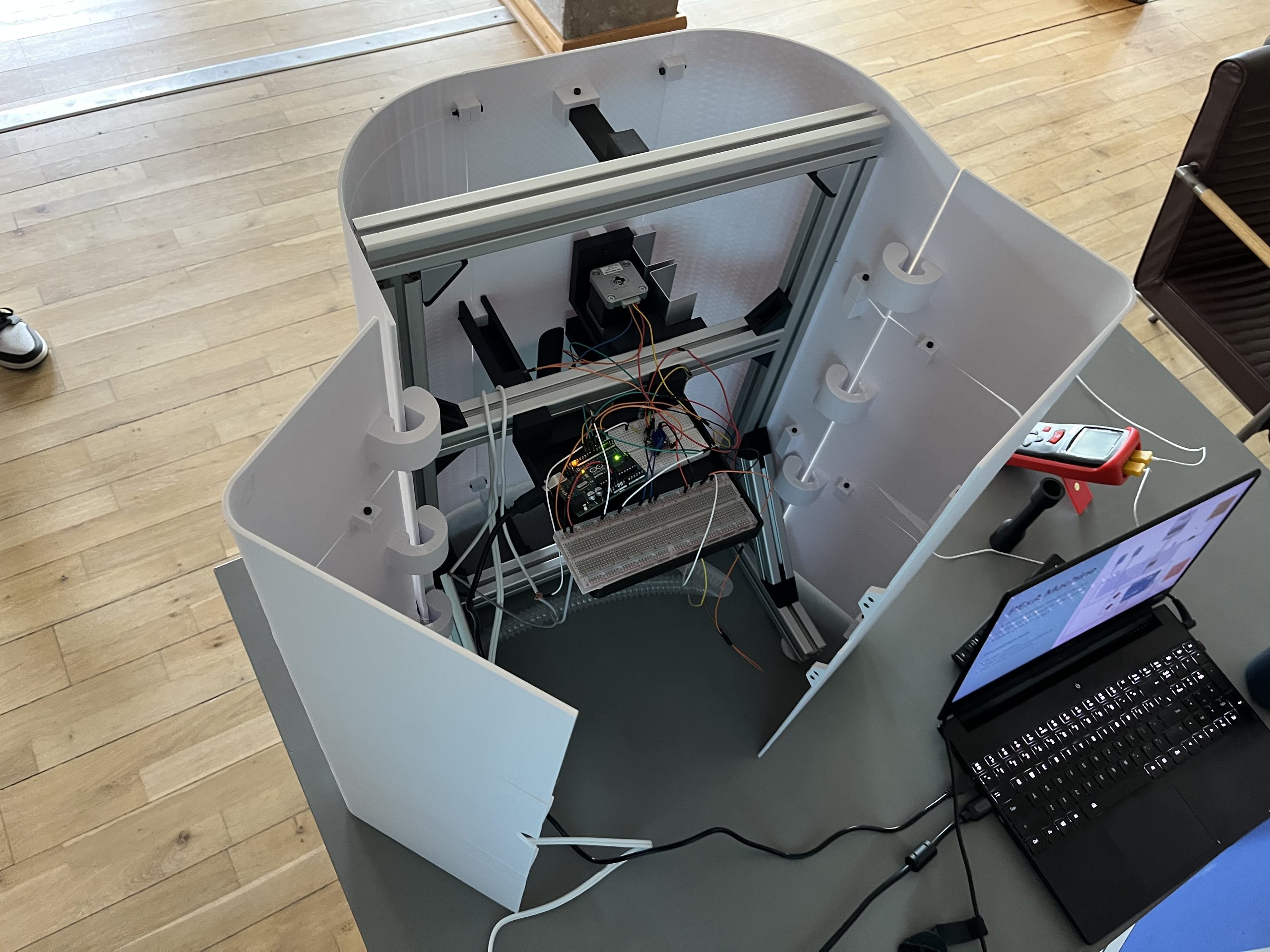
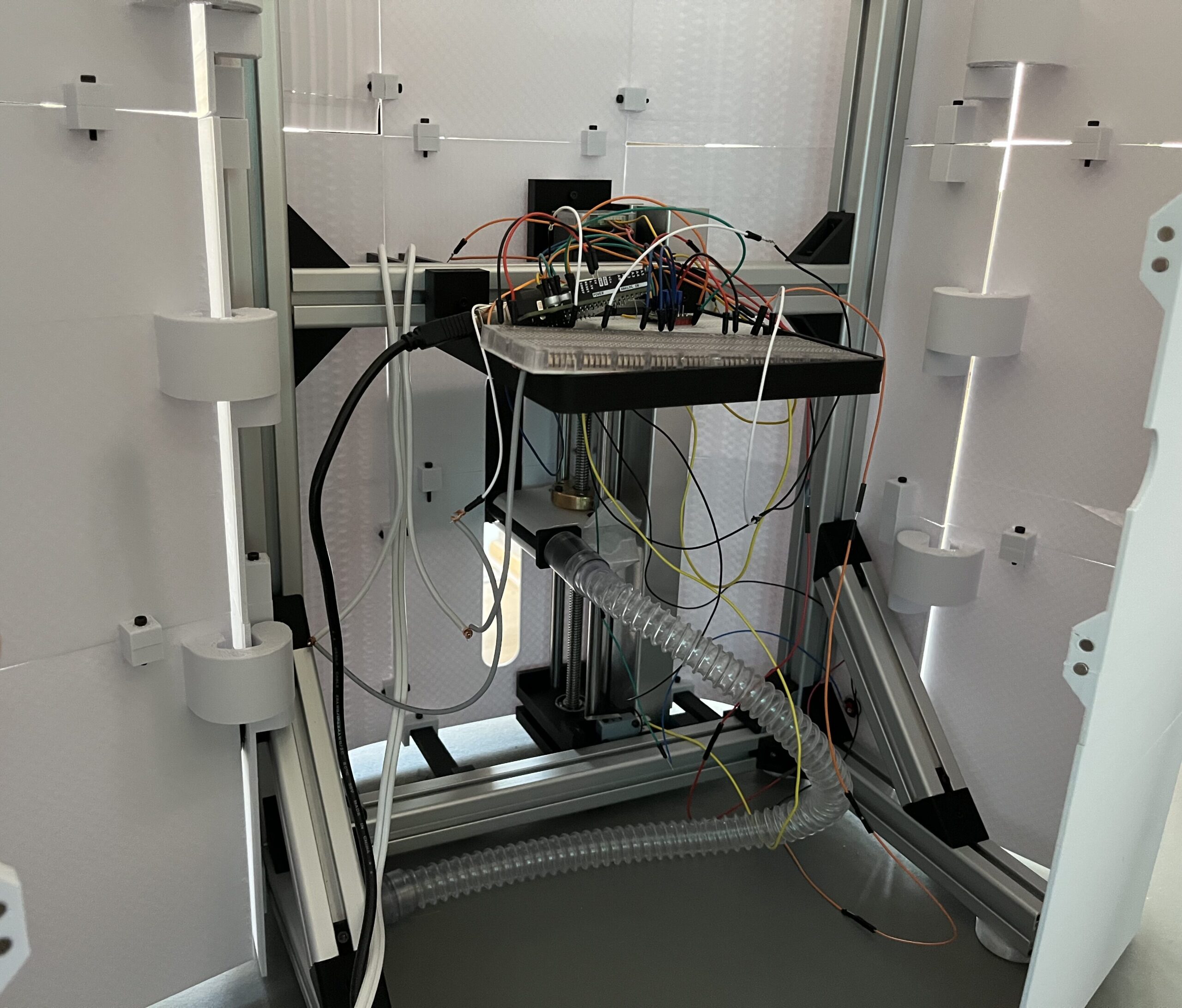
The lead screw and drive system were prototyped using a Nema 17 stepper motor and TMC2208 driver, controlled by an Arduino Uno R3 via push buttons and limit switches. This setup successfully enabled smooth, automated vertical adjustment of the mouthpiece, verifying the mechanism’s feasibility and ease of use for diverse patients.
structure
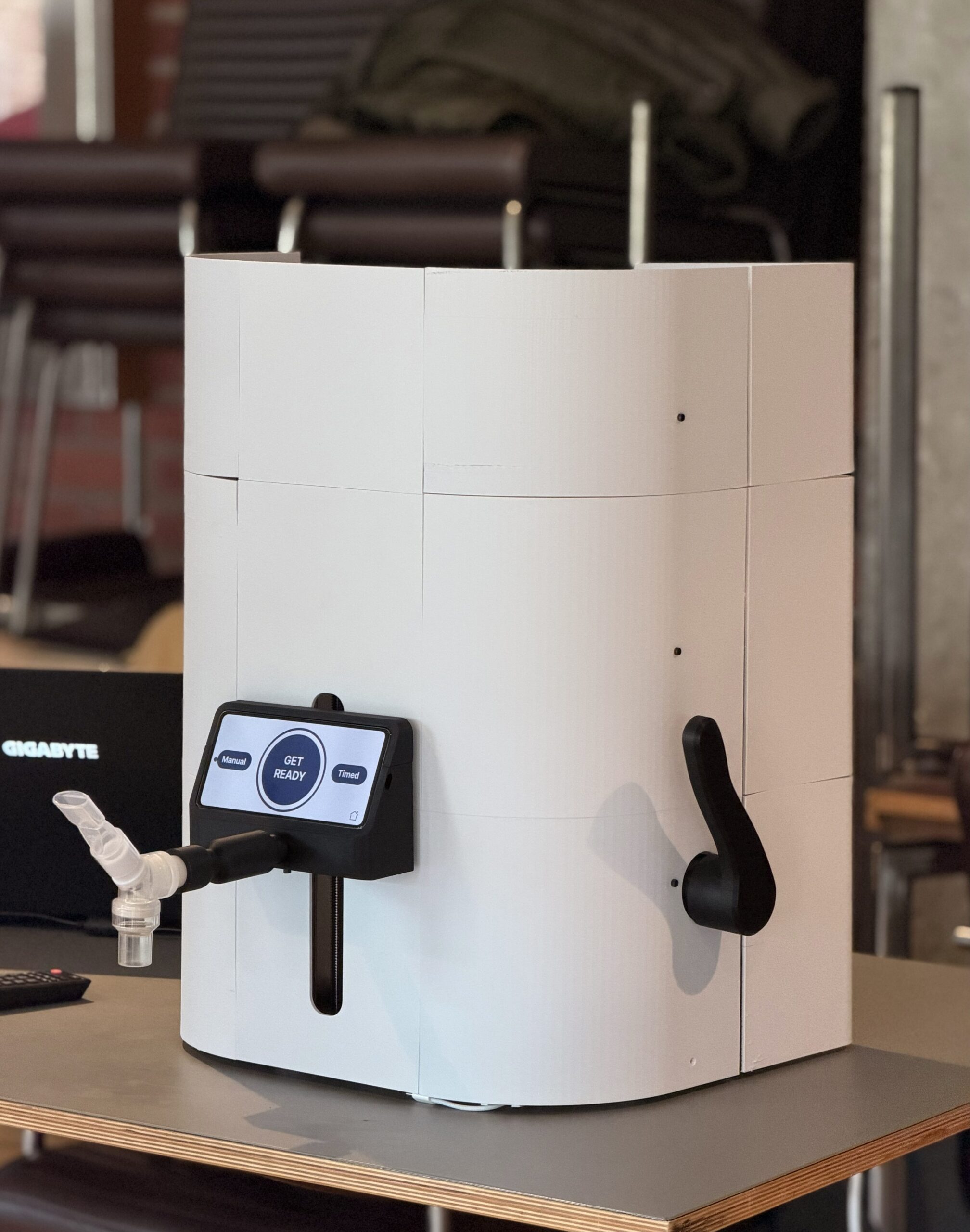
The structural framework was constructed using aluminum T-slot extrusions, providing a rigid and modular chassis for the device. The exterior enclosure was fabricated via 3D printing using PETG, and due to printer size limitations, the casing was designed and printed in separate modular sections that were subsequently assembled and joined together.

UX-design
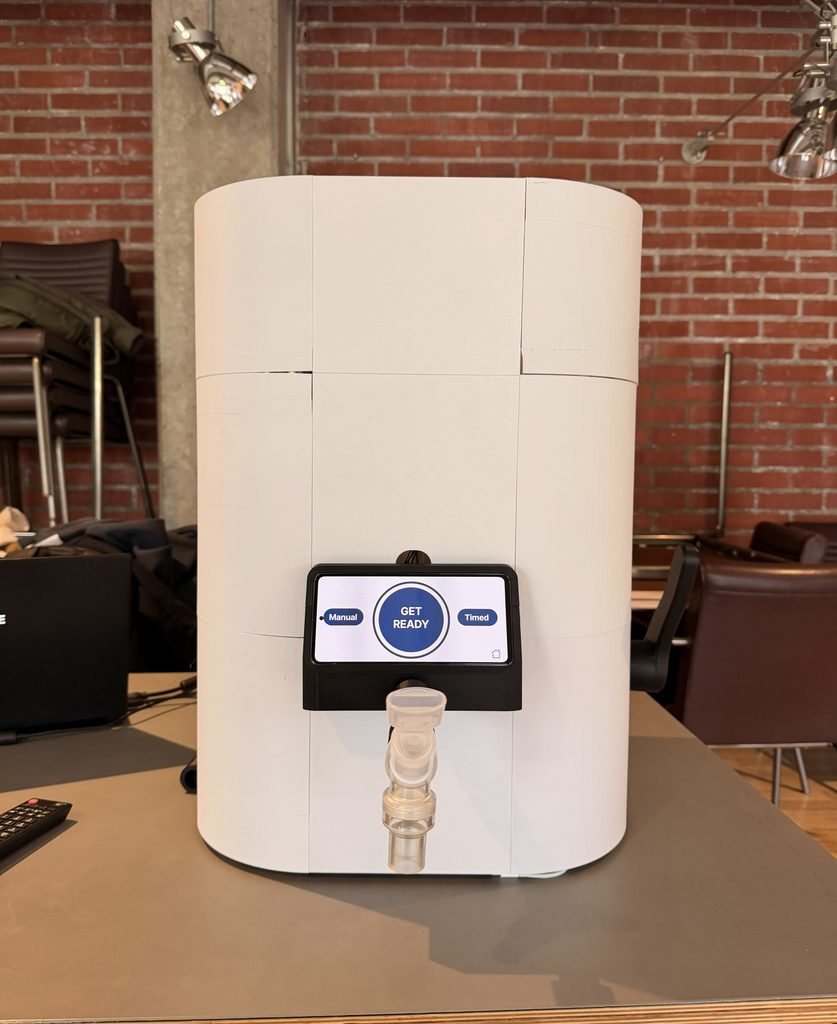
An interactive prototype was developed for the touchscreen interface to guide patients seamlessly through the testing procedure. The system offers two operating modes: a manual mode where the user directly opens and closes the valve, and a guided mode featuring automated valve control where the patient simply follows the on-screen breathing instructions. This dual-mode interface enhances clinical workflow efficiency and ensures clear, accessible interaction for diverse patient demographics.
05
final design.
.
3d model
The final 3D design integrates all technical and ergonomic requirements established for the medical device. Built around the structural framework of aluminum, the CAD model houses the optimized vertical height adjustment mechanism and precision airflow controls. This phase successfully unified mechanical reliability, internal component accessibility for maintenance, and a compact clinical footprint into a cohesive manufacturing model.
final prototype
The physical final prototype brought the CAD design to life, combining the aluminum frame, 3D-printed modular casing, automated lead-screw mechanics, and the integrated touchscreen UX interface. To validate the hardware engineering against real-world use cases, the ergonomics of the physical prototype were thoroughly tested with users. These user evaluations confirmed optimal comfort, intuitive workflow integration for clinical operators, and a seamless breathing procedure experience for patients across diverse demographics.

personal reflections.
Working on the this redesign project was an incredible journey that pushed me to deeply understand the realities of medical product design. Transitioning a complex research tool into an accessible primary care device taught me how critical it is to look beyond technical specifications and focus on the actual clinical environment.
Throughout this process, I learned an immense amount about observing users in context, identifying hidden pain points, and translating those insights into meaningful design decisions. Redesigning a medical device challenged me to balance strict ergonomic requirements with a seamless, intuitive interaction workflow that reduces friction for healthcare professionals.